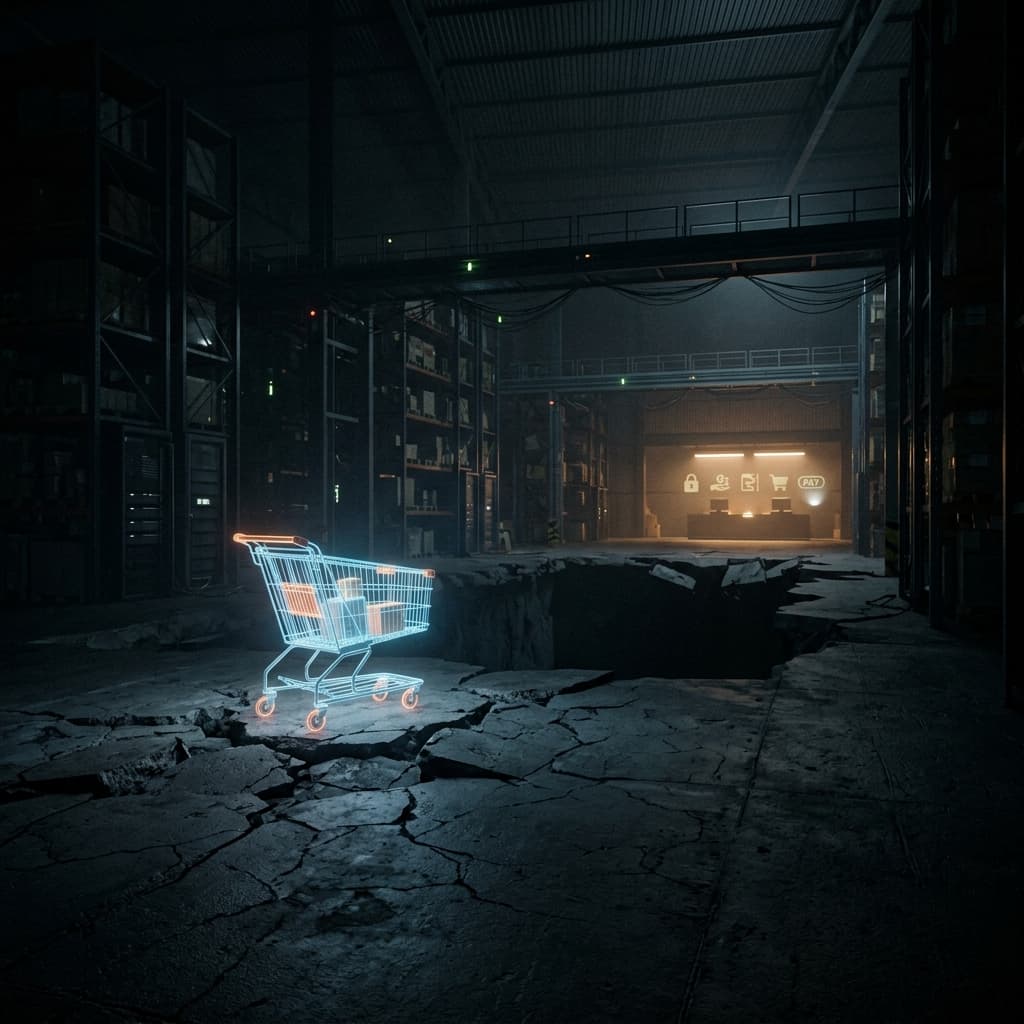

The Fallacy of the 3 AM Pager
In legacy IT environments, when a server runs out of memory or a database connection pool hangs, an automated alert triggers a pager. An exhausted engineer wakes up at 3 AM, logs into the server via SSH, diagnoses the issue, and restarts the service. By the time they fix it, the system has been down for 45 minutes, and massive revenue has been lost.
At WebMarv, we believe that if a human has to manually restart a server, the architecture has failed. Downtime is not an accident; it is a lack of automation.
Architecting Self-Healing Environments
We build Self-Healing IT Infrastructure using container orchestration platforms like Kubernetes (K8s). In this architecture, applications do not run on fragile, standalone servers. They run inside ephemeral, disposable containers (Pods).
We engineer aggressive Liveness and Readiness probes. The orchestrator constantly pings the application. If a container hangs due to a memory leak and fails the Liveness probe, the orchestrator does not send an email—it ruthlessly kills the container and spins up a brand new, healthy clone in milliseconds. The traffic is instantly routed to the healthy node. The application self-heals before the monitoring dashboard even registers the failure.
Infrastructure as Code (IaC)
True resiliency requires absolute reproducibility. We do not configure servers manually. We write the entire infrastructure—networks, load balancers, database clusters, and security policies—as deterministic code using tools like Terraform.
If a catastrophic failure occurs at a regional data center, we do not spend hours rebuilding servers. The CI/CD pipeline simply executes the Terraform script, deploying an identical, fully configured infrastructure replica in a completely different global region in a matter of minutes.