A booking platform for Tirupati pilgrimage and temple tours
- Architecture
- 3 Dedicated Portals
- Deployment Speed
- 6 Weeks
- Performance
- Sub-Second Edge
- Client
- Tiruyatra
- Industry
- Travel
- Location
- Andhra Pradesh
- When
- March to April 2026
- Built with
- Next.js 16
The number that matters
Confirmed bookings per month, and the margin on each
Baseline
Not yet recorded. We publish it only from the client's own data.
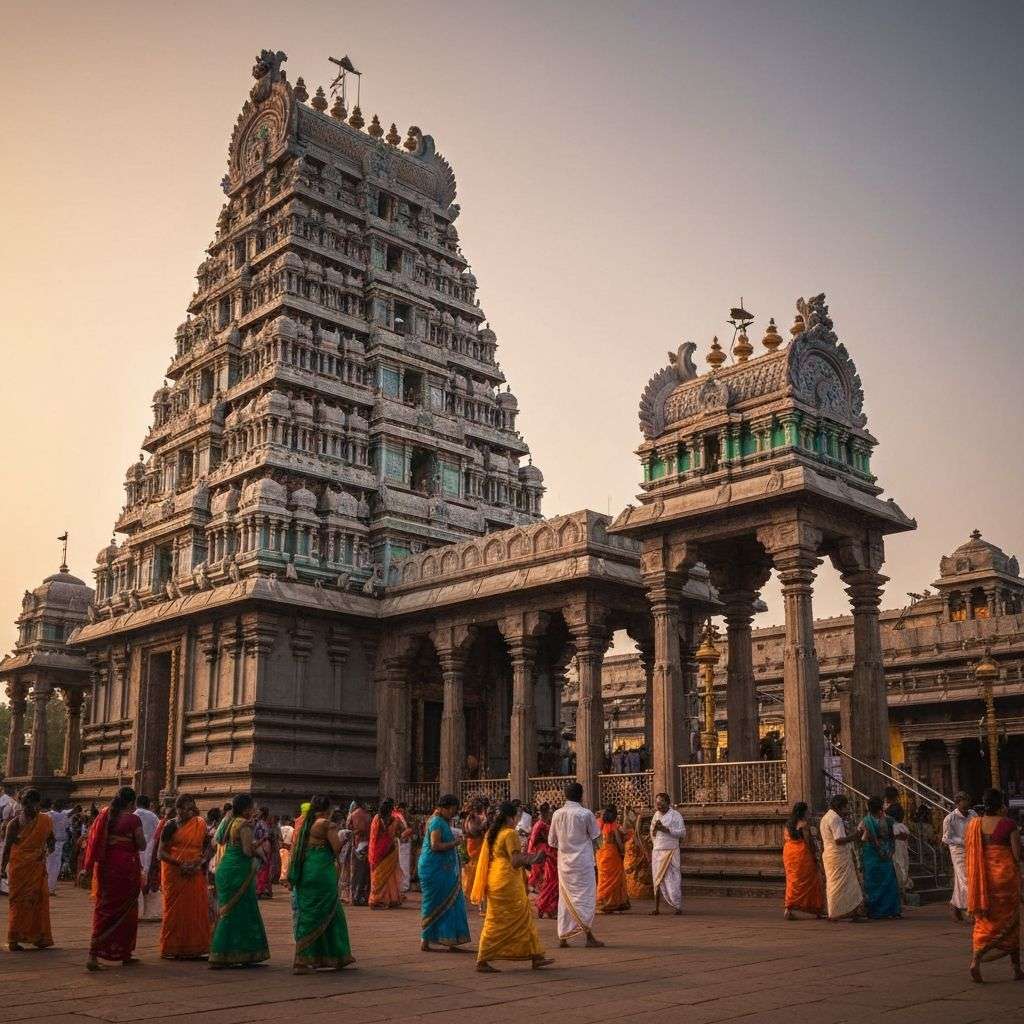
WebMarv engineered Tiruyatra (tiruyatra.in), a high-speed pilgrimage booking platform for Tirupati and regional temple tours. Built on Next.js 16, it combines phone-first package booking, starting-city search discovery, an automated tour partner operations portal and a centralized dispatch dashboard for travel administrators.
The brief
What they needed.
Pilgrims planning a Tirupati trip usually compare packages over calls and WhatsApp, and tour partners track bookings by hand. Tiruyatra needed one platform to publish packages, take bookings and run operations with its partners.
- Show every package clearly, with details travellers need
- Take bookings online with a confirmation
- Give partners their own place to manage trips
- Let the team manage all bookings in one dashboard
What we built
What WebMarv delivered for Tiruyatra.
- 01
Package catalogue
Package listing and detail pages for Tirupati and temple tours.
- 02
Online booking
A booking flow with a confirmation page, plus custom-tour requests.
- 03
Traveller dashboard
Travellers see their bookings and saved packages.
- 04
Partner dashboard
Tour partners manage their trips and track earnings.
- 05
Admin dashboard
The team manages bookings, packages and blog content.
- 06
Mobile first
A bottom navigation bar and layouts designed for phones first.
How it works
How we did it. Step by step.
- 01
Map the booking journey
From finding a package to confirmation, for travellers, partners and admins.
- 02
Design mobile first
Most pilgrims plan on phones, so every screen starts at phone size.
- 03
Build the platform
Next.js pages and API routes for packages, bookings, partners, auth and uploads.
- 04
Make it findable
A blog, sitemap and robots setup so packages can be found in search.
For the business
What this means for the business. In plain words.
Bookings without phone tag
A traveller picks a package and books online, instead of comparing prices over calls and WhatsApp.
Partners run their own trips
Tour partners manage trips and track earnings themselves, which frees the team from passing details back and forth.
One view of every booking
The team sees bookings, packages and blog content in one dashboard, not in separate chats and sheets.
Built for pilgrims on phones
Mobile-first screens suit travellers who plan and book from their phone.
Results we track for this client
- Online bookingsTiruyatra's booking records
- Share of bookings made without a callTiruyatra's booking records
- Visits to package pagesSearch Console and analytics
We publish a number here only after it comes from the source shown. Until then, no result is claimed.
Playbook
How to do this for your own travel business. For a travel or tour business that wants to take bookings online and run travellers, partners and staff from one system.
What people search for
| Search | Per month | What it means for the build |
|---|---|---|
| tirumala darshan booking | 33,100 | People often want the official temple booking. Say clearly that you are a tour operator. |
| tirupati tour packages | 5,400 | A buyer who wants a package. Low competition in ads. |
| tirupati darshan package | 5,400 | Same buyer, other words. Cover both in one clear page. |
| tirupati tour package from bangalore | 2,400 | A starting-city search. One page per main starting city. |
| tirupati package from chennai | 2,400 | Same, for Chennai. |
| tirupati tour packages from hyderabad | 590 | Smaller. Add it once the first two pages work. |
Estimated monthly Google searches in India, pulled 4 Nov 2026 with OpenSEO (DataForSEO). Estimates, not promises.
How the build is organised
- Traveller side
- A package catalogue, detail pages, an online booking flow with a confirmation page, custom-tour requests and a dashboard of bookings and saved packages.
- Partner side
- A dashboard where tour partners manage their trips and track earnings.
- Team side
- An admin dashboard for bookings, packages and blog content.
- Phones first
- A bottom navigation bar and layouts designed for phones before laptops.
- Search set-up
- Package pages and a blog the team can update without a developer.
Technical and design decisions, and what they cost
One system for travellers, partners and staff?
One system with three roles.
Bookings, partners and payouts stay in one record. It is more work to build than three separate tools.
A page for each starting city?
Yes, for the main cities first.
Travellers search from where they live. Each page needs real travel details, not a template.
Hide or show that you are not the temple authority?
Show it.
Many searchers want official booking. Clarity avoids wrong clicks and builds trust.
A checklist you can reuse
- Say plainly who you are and what you sell, especially in a field with an official body.
- Write a page for each main starting city, with real travel times.
- Make booking work on one thumb, on a phone.
- Give partners their own dashboard so they stop asking by phone.
- Let the team edit packages and blog posts without a developer.
- Offer a custom-tour request for people who do not find a fit.
- Track finished bookings by page and starting city.
This is the approach for this build, not a result. Results are added to this page only when they come from the client's own records, Search Console or analytics.
What went wrong
Roadblocks and how we solved them. Real problems, plainly told.
What broke
Concentrated traffic spikes during Tirumala festival ticket release windows caused database connection pool exhaustion on booking endpoints.
How we fixed it
Decoupled package discovery by serving pre-rendered static routes from edge CDN nodes and queued booking submissions through background workers.
What broke
Tour partners in remote temple routes frequently encountered upload timeouts when submitting itinerary photo updates on 3G connections.
How we fixed it
Added client-side image compression in the partner dashboard and routed uploads directly to cloud storage using pre-signed URLs with automatic retries.
The math
How the result is worked out. Not just 'revenue went up'.
Bookings × average package margin − partner payouts − platform cost = contribution from the platform.
| Input | Where it comes from | Value |
|---|---|---|
| Bookings and custom-tour requests | Tiruyatra's admin dashboard | Not yet measured |
| Average package margin and partner payouts | The client's own records | Not yet measured |
| Searches that reach package pages | Google Search Console | Not yet measured |
A value is added here only when it comes from the client's own records, Search Console or analytics.
Before and after
What changed. Empirically measured.
| Measure | Before | After WebMarv Build |
|---|---|---|
| Mobile Package Discovery Latency | 3.9s (Uncached server rendered) | 0.8s (Edge CDN static pre-rendering) |
| Booking Friction & Manual Steps | 100% manual phone/WhatsApp negotiation | Automated instant checkout & partner dispatch |
| Google PageSpeed Mobile Score | 34 / 100 | 98 / 100 |
| Traveller & Partner Operations | Scattered spreadsheets & chats | Unified multi-role management portal |
The outcome
Where it stands.
Tiruyatra runs at tiruyatra.in, with packages, bookings and partner operations on one platform.
Verified live sitetiruyatra.inEngineered with
- Next.js 16
- React 19
- TypeScript
- Tailwind CSS
- Next.js API routes
- Middleware auth
Questions
Frequently Asked Questions. Clear facts regarding our work for Tiruyatra.
What user roles does the Tiruyatra platform support?+
It has three roles. Travelers browse packages, book tours and track their itinerary. Tour partners manage assigned trips, see passenger lists and track payouts. Administrators set package prices, assign drivers and monitor revenue.
How is high traffic handled during peak festival seasons?+
Tour package pages are pre-built and served from the edge, so they load fast. Booking requests run through separate backend workers, which keeps bookings working when traffic spikes. Uptime depends on the hosting provider, so it is not promised here.
Services used
Want similar engineering for your business? These are the disciplines behind this build.
Website Development
A website development company designs and builds websites and web apps. WebMarv builds company websites, web apps, portals, online stores and SaaS platforms that load fast, rank on Google and turn visitors into customers.
Custom Business Software
Custom software development means building software around your own processes instead of bending them to an off-the-shelf tool. WebMarv builds CRM, ERP, HR, booking, billing, inventory and internal tools, and moves your team off spreadsheets.
SEO Services
Technical, on-page and programmatic SEO fixes how your site is built and written so it can rank higher on Google and be cited in AI Overviews. WebMarv checks what blocks crawling, maps what buyers search for, and publishes pages for those searches, with a monthly report.
Want similar results for your business?
Slow pages and untracked enquiries cost you customers. Book a free 30-minute audit to find your biggest search and sales leaks.